We welcome questions and comments about our products and services, you can reach us as follows:
Versaperm Limited
10 Rawcliffe House
Howarth Road
Maidenhead
Berkshire
SL6 1AP
UK
Tel UK: +44 (0) 1628 777668
Tel USA: +1 (617) 855-7477
e.mail: webcontact@versaperm.com
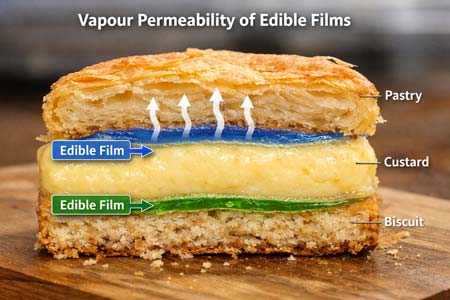 Vapour permeability plays a critical role in the development and performance of edible films and packaging, which are increasingly being adopted as sustainable, biodegradable alternatives to conventional plastic materials. In these systems, vapour permeability must be carefully controlled to preserve food and pharmaceutical quality, extend shelf life and ensure safety and functionality across a wide range of applications.
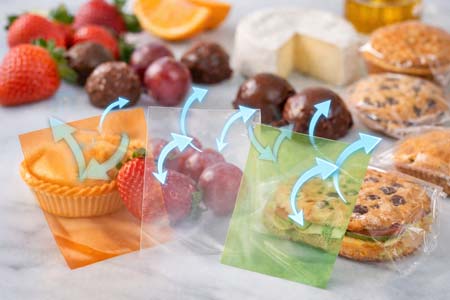
Edible packaging materials are typically produced from natural polymers such as seaweed extracts, starches, proteins and lipids. These materials can be engineered to form thin films or coatings that protect food products while remaining safe for consumption or environmentally benign at end of life. They can also be used to isolate moist and dry areas within a single product, such as a pie.
Versaperm’s equipment can help you measure vapour permeability quickly, simply and with high accuracy.
Importance of Vapour Permeability in Edible Packaging
Effective control of vapour permeability enables manufacturers to:
Because edible films are often inherently hydrophilic, accurate measurement of vapour permeability is essential during material development and quality control.
Key Applications and Considerations
 1. Moisture Control for Fresh Produce
2. Extending Shelf Life of Baked Goods
3. Protection for Dried Foods and Snacks
4. Meat, Fish and Cheese Packaging
5. Encapsulation of Spices, Seasonings and Supplements
6. Single-Serve and Portion-Control Packaging
7. Biodegradable and Compostable Packaging Solutions
8. Beverage Pods and Instant Drink Mixes
9. Edible Coatings for Shelf-Life Enhancement
10. Functional and Active Packaging
Edible Packaging Materials
Common materials used to create edible films include: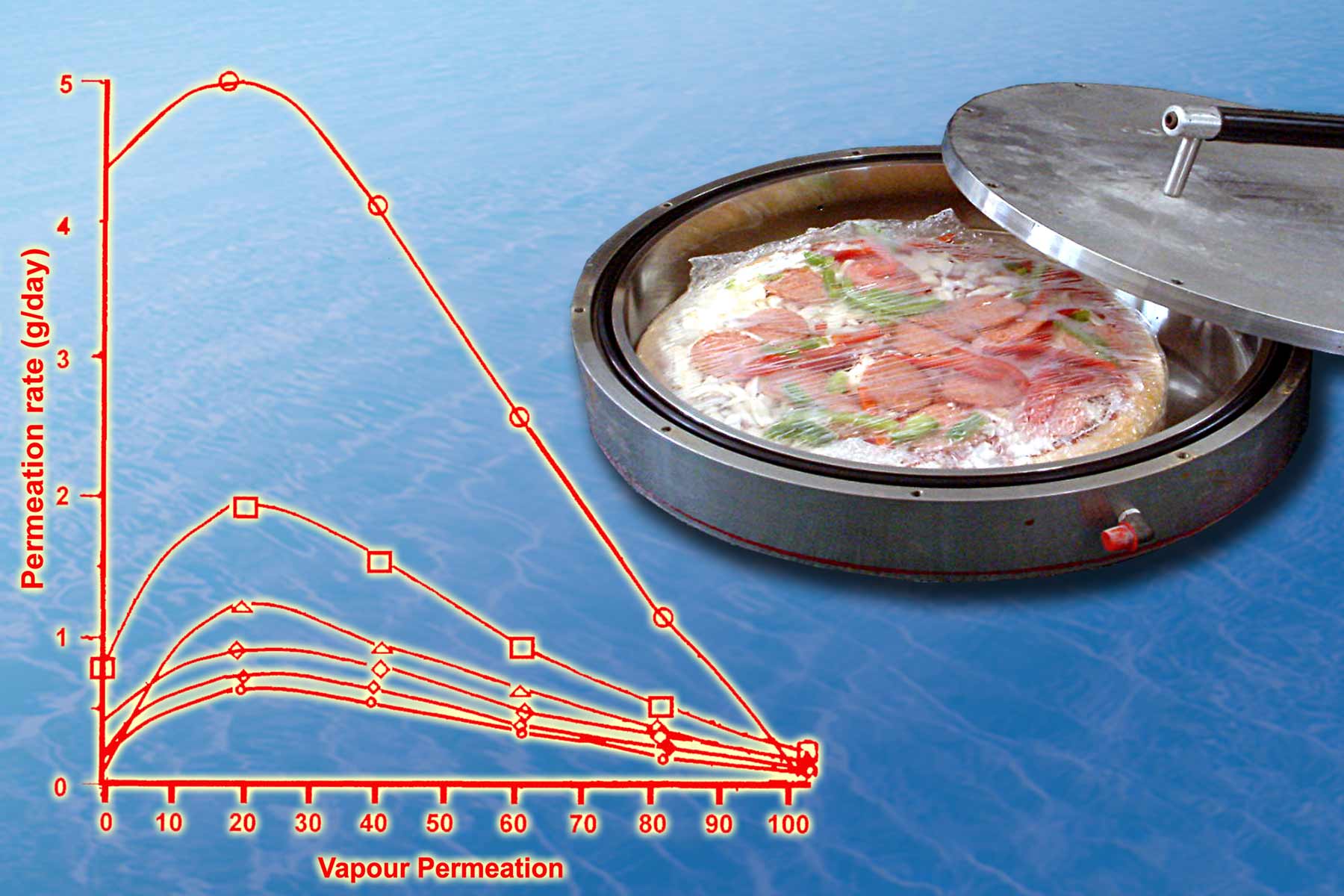
Examples of Edible Packaging in Use
Conclusion
Vapour permeability is a defining property in the performance of edible films and packaging, directly influencing moisture management, food quality, safety and shelf life. As edible and biodegradable materials continue to replace conventional plastics, the need for accurate, reliable vapour permeability measurement becomes increasingly critical.
Versaperm provides precise and easy-to-use vapour permeability measurement solutions that support the development, optimisation and quality assurance of edible films and sustainable packaging. High-accuracy measurement ensures that material performance can be confidently matched to specific food applications - enabling innovation while maintaining consistency, compliance and product integrity.
All of these involve understanding, controling and measuring the edible film's permeability. And that's where we can help.
The control of the transfer of moisture (ie permeability) throughout composite food products is the biggest challenge to food preservation. A wide range of edible film-forming compounds is available and this allows manufacturers and food producers to tailor moisture barriers to optimized their properties for each specific product. The only way this can be achieved is through the accurate measurement of the film or coatings permeability.
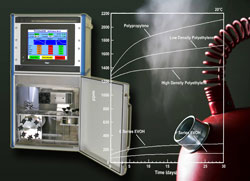
 Edible films Food makers can improve the shelf life and boost quality . More>>